
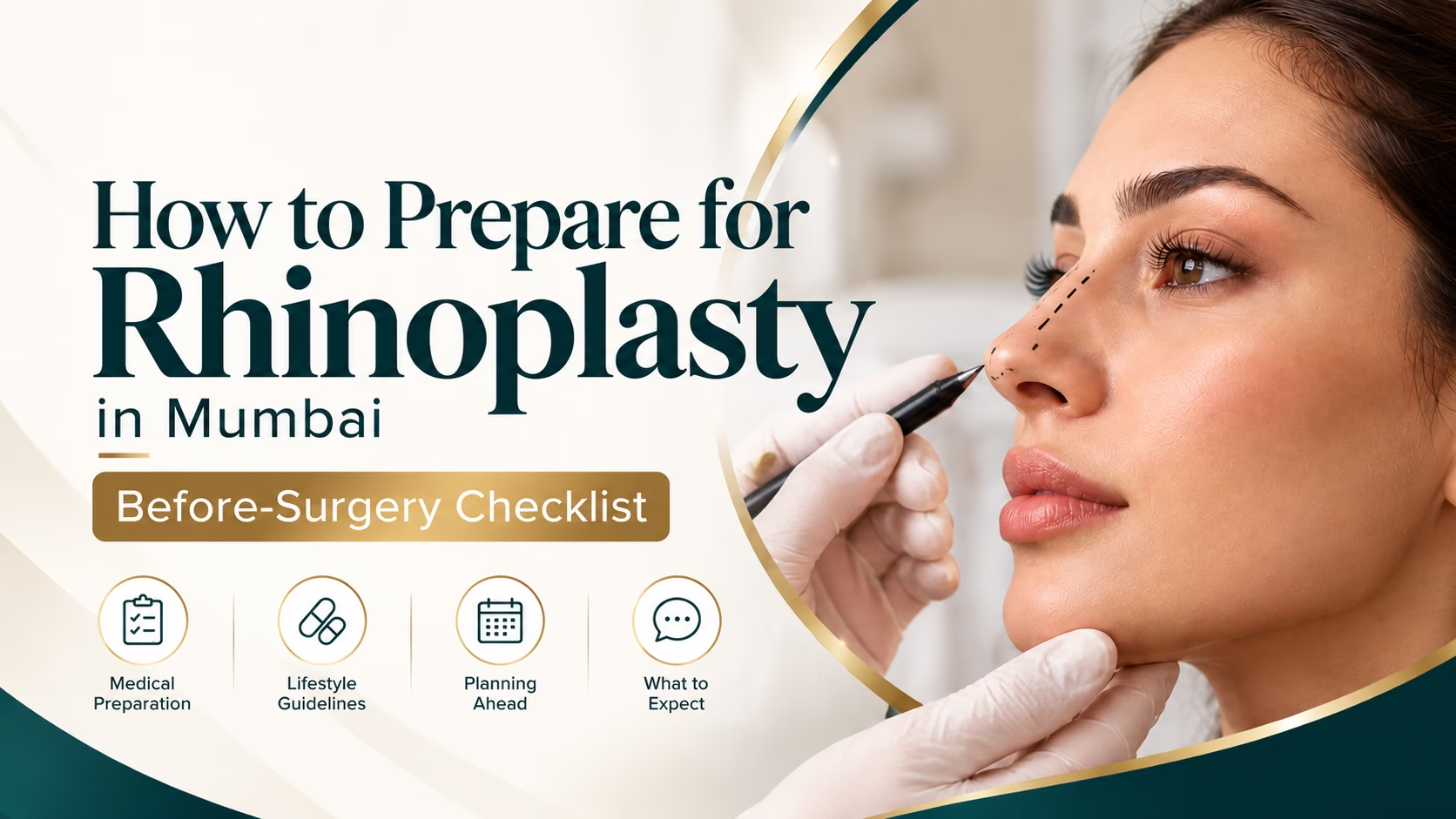
Planning rhinoplasty is not only about deciding what you would like your nose to look like after surgery. Preparing properly before the procedure can also make the surgical experience and early recovery easier to manage.
If you are considering rhinoplasty in Mumbai, you may have questions about what you should do before surgery.
Should you stop certain medications?
Can you exercise?
What should you eat?
Should you take time off work?
Can you travel immediately after surgery?
What should you arrange at home?
The exact instructions will always depend on your medical history, the type of rhinoplasty being planned and your surgeon’s recommendations. However, there are several practical areas that most patients should discuss before undergoing nose surgery.
This guide explains how to prepare for rhinoplasty and what to consider before your operation.
What Is Rhinoplasty?
Rhinoplasty is a surgical procedure used to modify the shape, proportions or structure of the nose.
Depending on the patient’s anatomy and goals, surgery may address:
- Nasal shape
- Nasal bridge
- Nasal tip
- Nostril appearance
- Nasal asymmetry
- Structural abnormalities
- Certain breathing-related problems
- Changes following previous injury
Rhinoplasty can be cosmetic, functional or a combination of both.
If you are still deciding what type of nose surgery may be appropriate, you can read our detailed guide to cosmetic vs functional rhinoplasty in Mumbai.
Why Is Preparation Important Before Rhinoplasty?
Rhinoplasty involves delicate structures including bone, cartilage, soft tissue and skin.
Good preparation can help you:
- Understand the planned procedure
- Review your medical history
- Discuss medications and supplements
- Arrange appropriate time away from work
- Organise transport after surgery
- Prepare your home for early recovery
- Understand restrictions after surgery
- Plan follow-up appointments
- Set realistic expectations
Preparation does not eliminate the normal risks associated with surgery, but it can help you approach the procedure in a more organised and informed way.
1. Have a Detailed Consultation Before Surgery
The first step should be a proper consultation with your plastic surgeon.
During consultation, the surgeon may evaluate:
- Nasal structure
- Facial proportions
- Skin thickness
- Nasal symmetry
- Breathing function
- Existing nasal concerns
- Previous injuries
- Previous nasal surgery
- Medical history
- Your expectations
The surgeon should also explain what changes may realistically be achieved.
Rhinoplasty should be planned around your individual facial anatomy rather than trying to reproduce someone else’s nose.
2. Be Honest About Your Medical History
Your surgeon needs accurate information about your health before surgery.
Tell your surgeon about:
- Previous operations
- Allergies
- Medical conditions
- Previous anaesthesia problems
- Current medications
- Supplements
- Smoking or nicotine use
- Alcohol consumption
- Previous nasal injuries
- Previous nasal surgery
Do not leave out information because you think it is unrelated.
Something that seems minor to you may be relevant to surgical or anaesthetic planning.
3. Review Your Medications With Your Surgeon
Some medicines and supplements can affect bleeding, blood pressure, healing or anaesthesia.
Do not stop prescription medication on your own.
Instead, provide your surgeon with a complete list of:
- Prescription medicines
- Over-the-counter medicines
- Painkillers
- Vitamins
- Herbal products
- Dietary supplements
Your surgeon and anaesthesia team can then advise you about what should be continued, adjusted or temporarily stopped.
The exact instructions vary between patients.
4. Avoid Self-Prescribing Medicines Before Surgery
It can be tempting to take medications or supplements advertised online as preparation for surgery.
This is not recommended.
Do not start new supplements, herbal products or medications simply because someone online says they may reduce swelling or bruising.
Some products can interact with medications or affect bleeding.
If you are considering taking anything before surgery, discuss it with your surgeon first.
5. Discuss Smoking and Nicotine Use
Smoking and nicotine can affect blood flow and wound healing.
If you smoke or use nicotine products, tell your surgeon during consultation.
You may be advised to stop for a specific period before and after surgery.
Do not assume that vaping or another nicotine product is automatically safe around surgery.
Follow the specific instructions provided by your surgical team.
6. Avoid Alcohol Before Surgery as Advised
Alcohol can interact with certain medications and may affect hydration and general wellbeing.
Your surgeon may advise you to avoid alcohol for a specified period before surgery.
Follow the instructions provided by your medical team rather than relying on general advice from the internet.
7. Follow Your Eating and Fasting Instructions
Your surgical and anaesthesia team will tell you when you need to stop eating and drinking before the procedure.
These instructions are important.
Do not assume that drinking water, tea or other beverages is always permitted right up until surgery.
If you are unsure about fasting instructions, contact the clinic rather than guessing.
8. Maintain a Balanced Diet
There is no special “rhinoplasty diet” that guarantees faster healing.
However, maintaining a balanced diet before surgery supports general health.
Try to maintain regular meals containing appropriate amounts of:
- Protein
- Vegetables
- Fruits
- Whole grains
- Healthy fats
- Adequate fluids
Avoid making extreme dietary changes immediately before surgery.
The objective is to arrive at surgery in a stable and healthy condition.
9. Stay Appropriately Hydrated
Adequate hydration is part of general preparation for surgery.
However, once fasting instructions begin, follow your anaesthesia team’s instructions regarding food and fluids.
If you have a medical condition that affects fluid intake, discuss this with your doctor beforehand.
10. Avoid Unnecessary Facial Treatments Before Rhinoplasty
Your surgeon may advise you to avoid certain cosmetic or skin treatments around the nose before surgery.
Depending on your situation, these may include procedures that irritate the skin or cause inflammation.
Tell your surgeon if you have recently undergone:
- Facial treatments
- Chemical peels
- Laser procedures
- Injectable treatments
- Waxing
- Other procedures around the nose
Your surgeon can advise whether sufficient time has passed before surgery.
11. Be Careful With Your Skin Before Surgery
Avoid unnecessary irritation of the skin around the nose before the operation.
Do not aggressively scrub, squeeze blackheads or pimples, or use harsh products immediately before surgery unless your surgeon has advised otherwise.
If you develop an infection, significant skin irritation or another problem near the surgical area, inform your surgical team.
12. Plan Your Time Off Work
Rhinoplasty recovery varies between patients.
Even when you feel physically well, visible swelling or bruising may remain during the early recovery period.
Before surgery, consider:
- Your type of work
- Whether you work from home
- Whether your job involves physical activity
- Whether you have important meetings
- Whether you have upcoming social events
- Whether you need to travel for work
Your surgeon can give you a more personalised estimate based on the planned procedure.
For more information about the recovery period, read our week-by-week rhinoplasty recovery guide in Mumbai.
13. Arrange Transportation After Surgery
Depending on the type of surgery and anaesthesia used, you may not be able to drive yourself home.
Arrange suitable transportation in advance.
It is better to have your transport confirmed before surgery rather than trying to organise it at the last minute.
If you are travelling from another part of Mumbai, consider the journey time and arrange for someone to accompany you if your surgical team recommends it.
14. Prepare Your Home for the First Few Days
A little preparation can make the early recovery period more comfortable.
Before surgery, consider arranging:
- Extra pillows
- Comfortable clothing
- Easy-to-prepare meals
- Prescribed medications
- Clean bedding
- Drinking water
- A convenient place to rest
- Help with children if needed
- Help with strenuous household tasks
Choose clothing that does not need to be pulled tightly over your head.
This can make dressing easier while your nose is healing.
15. Keep Your Head Elevated as Advised
Your surgeon may recommend keeping your head elevated during the early recovery period.
This may involve using additional pillows or another suitable arrangement.
The purpose is generally to support comfortable recovery and help manage swelling.
Follow your surgeon’s specific instructions rather than attempting an extreme sleeping position.
16. Plan Your Exercise Break
Regular exercise is healthy, but strenuous activity usually needs to be restricted around rhinoplasty.
Before surgery, plan for some time away from:
- Running
- Heavy weight training
- High-intensity workouts
- Contact sports
- Activities with a risk of facial injury
Your surgeon will tell you when specific activities can be restarted.
Do not resume exercise simply because you feel comfortable if your surgeon has not cleared you to do so.
17. Avoid Activities That Could Injure the Nose
The nose needs protection during healing.
Before surgery, think about your normal routine and whether it includes activities where accidental contact with the face is possible.
This can include:
- Contact sports
- Crowded events
- Certain gym activities
- Activities involving children
- Jobs involving physical contact
Your surgeon can explain the precautions appropriate for your procedure.
18. Plan Your Follow-Up Appointments
Rhinoplasty does not end when surgery is completed.
Follow-up appointments are an important part of recovery.
Your surgeon may need to assess:
- Incision healing
- Swelling
- Nasal structure
- Splint or dressing removal
- Breathing
- Early healing
- Progress toward the expected result
Before surgery, understand when you need to return for follow-up.
This is particularly important if you live outside Mumbai or are travelling specifically for surgery.
19. Avoid Planning Important Events Immediately After Surgery
If you have an important wedding, presentation, holiday, photoshoot or social event coming up, discuss the timing with your surgeon.
Although visible recovery can occur relatively quickly, swelling may persist beyond the initial few days.
The final appearance of the nose takes much longer to settle.
Planning surgery immediately before an important event may therefore create unnecessary stress.
20. Plan Travel Carefully
If you are travelling to Mumbai for rhinoplasty, do not plan your trip around the operation alone.
You should also consider:
- Initial consultation
- Surgery date
- Early follow-up
- Splint removal if applicable
- Recovery requirements
- Travel home
- Access to medical care if a concern develops
Your surgeon can advise you about the appropriate time to travel after surgery.
Patients who live locally may have the advantage of easier access to follow-up appointments.
21. Set Realistic Expectations
One of the most important parts of rhinoplasty preparation is understanding what surgery can realistically achieve.
Rhinoplasty can improve nasal shape, proportion and, in selected cases, function.
However, it cannot guarantee:
- Perfect symmetry
- A specific celebrity’s nose
- Zero swelling
- Completely invisible scars in every case
- An instant final result
- A result identical to a computer-generated image
The goal should be improvement that suits your facial anatomy and personal features.
22. Prepare Questions for Your Rhinoplasty Consultation
Do not hesitate to ask questions.
Useful questions include:
About the procedure
- What type of rhinoplasty do I need?
- Is my surgery cosmetic, functional or both?
- Will you recommend an open or closed approach?
- What structures need to be changed?
About recovery
- How long should I take off work?
- When can I exercise?
- When can I drive?
- When can I travel?
- When can I return to social activities?
About risks
- What are the possible complications?
- What happens if healing does not progress as expected?
- Could I need revision surgery?
About results
- When should I expect to see an early result?
- When should I assess the final result?
- How long might swelling persist?
A good consultation should leave you with a clear understanding of both the possibilities and limitations of surgery.
What Should You Avoid Before Rhinoplasty?
Your surgeon may provide individual restrictions, but generally you should avoid making independent changes without discussing them with your medical team.
In particular:
- Do not stop prescription medication without medical advice.
- Do not start new supplements without discussing them.
- Do not hide smoking or nicotine use.
- Do not ignore new infections or significant illness.
- Do not assume that a home remedy will improve surgical recovery.
- Do not schedule major commitments immediately after surgery without allowing sufficient recovery time.
- Do not rely on online advice instead of your surgeon’s instructions.
Your own surgical team should always take priority over generic internet advice.
A Simple Rhinoplasty Preparation Checklist
Before your surgery, make sure you have:
☐ Completed your consultation
☐ Discussed your medical history
☐ Shared your medication and supplement list
☐ Followed instructions regarding smoking and nicotine
☐ Followed medication instructions
☐ Understood fasting requirements
☐ Arranged transportation
☐ Planned time away from work
☐ Prepared your home
☐ Arranged help if necessary
☐ Planned your follow-up appointments
☐ Discussed exercise restrictions
☐ Discussed travel plans
☐ Asked about possible risks
☐ Understood realistic recovery expectations
Rhinoplasty Preparation in Mumbai
If you are planning rhinoplasty in Mumbai, choosing a surgeon and understanding the preparation process are both important parts of your decision.
Dr. Kunal Sayani offers rhinoplasty as part of his facial plastic surgery services in Mumbai. His Face Surgery services include rhinoplasty for nasal reshaping and selected breathing-related concerns, with treatment planned according to individual anatomy and goals.
You can learn more about the Face Surgery services offered by Dr. Kunal Sayani in Mumbai.
The clinic is located in Vile Parle West and can be accessed by patients from areas including Vile Parle, Andheri, Juhu, Santacruz, Khar and Bandra.
Frequently Asked Questions
How long before rhinoplasty should I stop certain medications?
It depends entirely on the medication. Some medicines may need to be continued, while others may require adjustment. Never stop prescription medication without instructions from your surgeon or treating doctor.
Can I exercise before rhinoplasty?
Generally, maintaining normal physical activity before surgery may be appropriate if you are otherwise healthy, but your surgeon may provide specific instructions based on your condition and the planned procedure.
Can I smoke before rhinoplasty?
Smoking and nicotine can affect blood flow and healing. Tell your surgeon if you smoke or use nicotine products and follow the specific cessation instructions provided to you.
What should I eat before rhinoplasty?
Maintain a balanced diet and follow any specific dietary or fasting instructions provided by your surgical and anaesthesia team.
Should I take supplements before rhinoplasty?
Do not start supplements specifically for surgery without discussing them with your surgeon. Some supplements can affect bleeding or interact with medications.
How many days should I take off work after rhinoplasty?
The appropriate time varies depending on the procedure, your work and your recovery. Your surgeon can provide a more personalised recommendation.
Can I travel immediately after rhinoplasty?
Travel plans should be discussed with your surgeon because early follow-up may be required and the timing of travel depends on your recovery and the procedure performed.
When should I schedule my rhinoplasty if I have an important event?
Allow adequate recovery time and discuss your event with your surgeon. Visible swelling or bruising may remain after the initial recovery period, while final nasal refinement takes considerably longer.
How should I prepare my home for rhinoplasty recovery?
Prepare a comfortable resting area, arrange easy meals, keep prescribed medications available and organise assistance with strenuous tasks if necessary.
When will I see the final rhinoplasty result?
The nose continues changing as swelling settles and tissues heal. Early improvement can be visible relatively soon, but the final result may take considerably longer to mature.
Consult Dr. Kunal Sayani for Rhinoplasty in Mumbai
Proper preparation can make your rhinoplasty journey more organised and help you approach surgery with realistic expectations.
The most important preparation step is a detailed consultation where your nasal anatomy, goals, medical history, surgical plan and recovery can be discussed.
Dr. Kunal Sayani
MBBS, MS, MCh, DrNB (Plastic Surgery)
Plastic & Aesthetic Surgeon
Clinic: 501/502, Sapphire Plaza, Dadabhai Road, Swami Vivekananda Road, Vile Parle West, Mumbai, Maharashtra 400056
Leave a Reply