
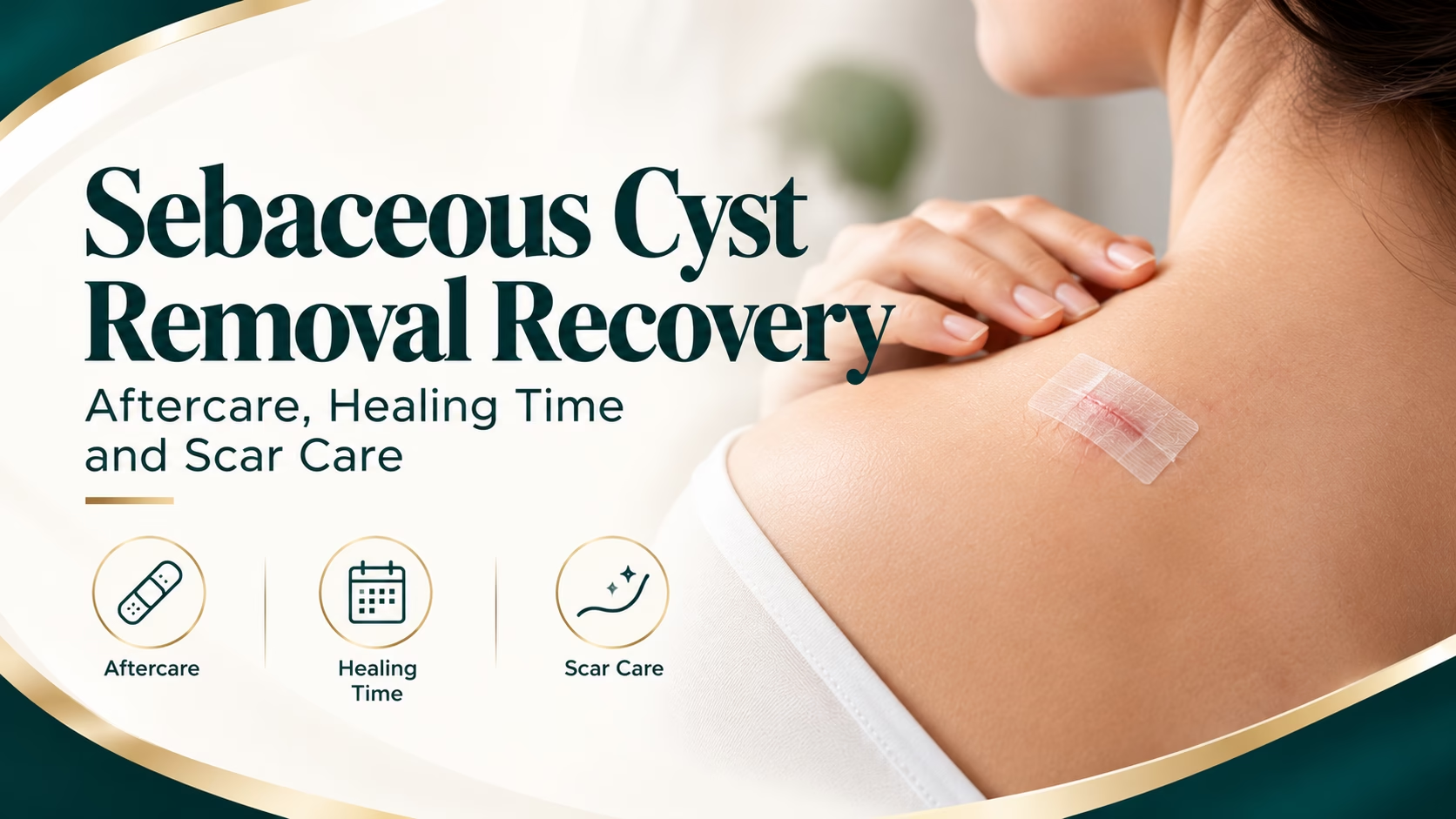
Having a sebaceous cyst removed can raise several questions. How long will the wound take to heal? Will stitches be required? When can you return to work or exercise? And what can you do to help the scar heal well?
Recovery after sebaceous cyst removal depends on the size and location of the cyst, the surgical technique used, whether the cyst was inflamed, and how your skin heals. Many uncomplicated procedures are performed as outpatient treatments, but aftercare remains important for wound healing and reducing the risk of complications.
If you are planning sebaceous cyst removal in Mumbai, understanding the recovery process can help you prepare for the procedure and follow your surgeon’s instructions.
What Happens After Sebaceous Cyst Removal?
A sebaceous cyst is commonly the name used for an epidermoid or epidermal inclusion cyst. These cysts usually contain keratin, a material produced by skin cells, and develop beneath the skin.
When surgical removal is appropriate, the surgeon generally aims to remove the cyst and its wall. This helps reduce the likelihood of the cyst returning.
After the procedure, the area may be covered with a dressing. Depending on the size and location of the cyst, the incision may be closed with stitches or managed using another appropriate wound-closure method.
You may notice mild tenderness, swelling or bruising around the treated area. These symptoms can occur after minor surgery, but they should generally improve rather than progressively worsen.
The surgeon will explain how to care for the wound and when you should return for a follow-up appointment.
For details about the procedure itself, visit the Sebaceous Cyst Removal service page.
How Long Does Sebaceous Cyst Removal Take to Heal?
There is no single recovery timeline for every patient. A small cyst removed from an uncomplicated area may heal relatively quickly, while a larger cyst or one that has previously become inflamed may require more time.
The healing process can be understood in several stages.
The First 24–48 Hours
During the initial period, the wound may feel tender or slightly swollen. A small amount of bruising can also occur.
Follow the dressing instructions provided by your surgeon. Keep the wound protected as directed and avoid unnecessary touching, rubbing or pressure.
If you experience bleeding, follow the instructions given by your medical team. Contact them if the bleeding does not stop or if you are unsure how to manage it.
The First Week
During the first week, the incision begins to heal. Mild itching or tightness may occur as the wound recovers, but avoid scratching the area or pulling at the stitches.
Depending on the location and closure method, your surgeon may arrange a review to check the wound.
Do not assume that a wound is ready for unrestricted activity simply because it looks better on the surface. Deeper healing takes longer.
One to Two Weeks
Some small wounds may be healing well within this period. If non-dissolvable stitches were used, they may need to be removed at a follow-up appointment. The timing depends on the wound’s location and how it is healing.
Do not remove stitches yourself.
Larger wounds, wounds under tension or wounds affected by inflammation may take longer to heal.
The Following Weeks
Once the skin has closed, the scar continues to mature. It may initially appear pink, red, darker than the surrounding skin or slightly firm.
Scar maturation takes longer than initial wound closure and may continue for several months. The appearance often changes gradually, although the final result varies between individuals.
For general information about cyst removal and recovery, see Cleveland Clinic’s cyst removal guide.
How to Care for the Wound After Cyst Removal
Good wound care helps protect the incision while it heals. Your surgeon’s specific instructions should take priority because care can differ according to the procedure and location.
Keep the Wound Clean as Instructed
Follow the instructions regarding when and how to clean the area. Wash your hands before touching the dressing or wound.
Do not scrub the incision or apply household remedies, harsh antiseptics, creams or ointments unless your surgeon has advised you to use them.
Change the Dressing Correctly
Some wounds need a dressing for a particular period, while others may require different care.
Change the dressing according to your surgeon’s directions. If it becomes wet, dirty or loose, ask your medical team how it should be replaced.
Avoid repeatedly removing the dressing just to inspect the wound.
Avoid Picking or Squeezing the Area
Do not squeeze the wound to remove fluid or try to remove material that appears beneath the skin.
Manipulating the area can irritate healing tissue and may introduce infection. If a lump or swelling appears to be returning, have it assessed rather than attempting to drain it yourself.
Follow Instructions About Bathing
Your surgeon will tell you when it is safe to shower and how to protect the incision.
Avoid soaking the wound in a bath, swimming pool or other water until your medical team confirms that it is safe.
After bathing, follow the recommended method for drying and redressing the area.
Take Medicines Only as Directed
Use prescribed medicines according to your instructions. If you take regular medicines or have questions about pain relief, ask your doctor or pharmacist what is appropriate.
Antibiotics are not automatically required after every cyst removal. Their use depends on the clinical situation.
Can You Return to Work After Sebaceous Cyst Removal?
Many patients can return to routine activities relatively soon after an uncomplicated procedure. However, the timing depends on the size and location of the wound and the type of work you do.
Desk-based work may place fewer demands on the wound than work involving lifting, repetitive movement, protective equipment or physical exertion.
For example, a cyst removed from the back may be uncomfortable when sitting against a chair, while a cyst near a joint may be affected by repeated movement.
Ask your surgeon when you can resume your usual work and activities.
When Can You Exercise After Cyst Removal?
Exercise can increase movement, sweating and tension around a healing incision. Depending on the location of the wound, strenuous activity may increase discomfort or interfere with healing.
Your surgeon may recommend avoiding heavy lifting, running, gym workouts or contact sports for a period after the procedure.
Light daily movement may be appropriate for many patients, but the recommended level of activity depends on the individual case.
Resume exercise gradually when your surgeon confirms that it is safe to do so.
How to Reduce the Appearance of a Cyst Removal Scar
Any procedure that involves an incision can leave a scar. The final appearance depends on the size and location of the cyst, the surgical technique, wound closure, skin characteristics and individual healing.
Although a scar cannot always be prevented, appropriate care can help support healing.
Allow the Wound to Close First
Do not apply scar treatments to an open wound unless your surgeon specifically instructs you to do so.
The first priority is allowing the incision to close properly and watching for signs of infection.
Ask About Silicone-Based Scar Care
Once the wound has fully closed, your surgeon may recommend a silicone gel or silicone sheet for suitable scars.
These products are used in some scar-management plans, but they are not appropriate for every wound or every patient. Follow professional guidance on when and how to use them.
Protect the Area From Sun Exposure
Sun exposure can make some healing scars more noticeable or contribute to changes in pigmentation.
Once the wound has healed sufficiently, ask your surgeon about suitable sun protection for the area, particularly if the cyst was removed from the face, neck or another exposed location.
Avoid Unproven Home Remedies
Lemon juice, abrasive scrubs and other irritating products can damage the skin and should not be used on a healing incision.
Do not massage the scar or use a scar treatment until your surgeon confirms that the wound is ready.
Understand That Scar Maturation Takes Time
A scar may look more noticeable during the early stages of healing. It can gradually soften or change colour over time.
However, no treatment or surgical technique can guarantee an invisible scar. If you are concerned about the appearance of your scar, discuss appropriate options during follow-up.
What if the Cyst Was Infected Before Removal?
An inflamed or infected cyst may require a different treatment plan from a small, uncomplicated cyst.
When inflammation is significant, the surrounding tissues may be swollen and the cyst wall may be more difficult to separate. A clinician may recommend treating the acute problem first and deciding on the timing of definitive removal after assessment.
The correct approach depends on the severity of inflammation, the presence of infection and the individual circumstances.
If the cyst was treated with drainage rather than complete removal, the cyst wall may remain. This means the lump can recur.
Do not attempt to drain an inflamed cyst yourself. Seek medical assessment if it becomes increasingly painful, red, warm or swollen, or begins discharging material.
Can a Sebaceous Cyst Come Back After Removal?
A cyst can recur if its wall remains after treatment. Drainage may relieve pressure or help manage an acute problem, but it does not necessarily remove the entire cyst.
When surgical excision is appropriate, removing the cyst wall helps reduce the chance of recurrence. Even so, recurrence cannot be ruled out completely.
A new lump near the previous incision does not automatically mean the original cyst has returned. It should be examined to determine the cause.
You can read our existing guide, Sebaceous Cyst vs Lipoma: How to Tell the Difference and When Removal May Be Needed, to learn why different types of lumps may require different treatment approaches.
Warning Signs to Watch for After Cyst Removal
Some tenderness and mild swelling can occur during normal healing. However, symptoms that are worsening rather than improving should not be ignored.
Contact your surgeon or seek medical advice if you notice:
- Increasing redness, warmth or swelling around the wound
- Pain that is becoming more severe
- Pus or foul-smelling discharge
- Fever or feeling generally unwell
- Bleeding that does not stop with the advised measures
- A wound that opens or stitches that come apart
- Rapidly increasing swelling or a sudden change in the treated area
Seek urgent medical care if you experience severe or rapidly worsening symptoms.
These signs do not necessarily mean that a serious complication has occurred, but they require appropriate assessment.
Does the Location of the Cyst Affect Recovery?
Yes. The location of the cyst can influence wound care, comfort and scar appearance.
Cyst Removal on the Face
Facial cyst removal requires attention to both healing and scar placement because the area is visible. Follow instructions about cleaning, dressing and protecting the wound.
Avoid applying makeup or skincare products directly over the incision until your surgeon confirms that it is safe.
Cyst Removal on the Scalp
A scalp wound may be affected by hair washing, combing and friction from headwear. Follow the instructions provided for washing your hair and caring for the dressing.
Avoid pulling at stitches or catching the wound with a comb.
Cyst Removal on the Back or Shoulder
Pressure from clothing, backpacks or lying on the treated area may cause discomfort. Choose clothing that does not rub against the incision and ask your surgeon how to manage pressure during sleep or daily activities.
Cyst Removal Behind the Ear
Glasses, headphones, helmet straps and other accessories may irritate the area. Avoid unnecessary friction until the wound has healed sufficiently.
What Can Affect Cyst Removal Recovery Time?
Several factors can influence how quickly the wound heals.
The size and depth of the cyst matter because larger lesions may require a longer incision. The location can also affect movement and pressure on the wound.
Inflammation or infection may complicate removal and healing. Other factors, including smoking, certain medical conditions, medicines and an individual’s tendency to develop prominent scars, may also influence recovery.
Your surgeon can provide a more realistic estimate after examining the cyst and reviewing your medical history.
Is Follow-Up Necessary After Sebaceous Cyst Removal?
Follow-up is useful when your surgeon needs to check the wound, remove non-dissolvable stitches or assess healing.
It also provides an opportunity to discuss any persistent tenderness, swelling, discharge or concerns about the scar.
Attend the recommended review even if the wound appears to be healing well. If you notice worrying symptoms before the scheduled appointment, contact your medical team rather than waiting.
Sebaceous Cyst Removal in Mumbai: Choosing the Right Care
If you are considering sebaceous cyst removal in Mumbai, look for a qualified clinician who can assess the lump, explain the available treatment options and provide clear post-procedure instructions.
Treatment should be based on the cyst’s size, location, condition and diagnostic assessment. Not every cyst needs immediate removal, and an inflamed cyst may require a different approach from an uncomplicated one.
Dr. Kunal Sayani, MBBS, MS, MCh, DrNB (Plastic Surgery), provides surgical assessment and treatment for patients considering sebaceous cyst removal at Tvameva Aesthetics in Vile Parle West, Mumbai.
You can learn about the procedure on the Sebaceous Cyst Removal service page.
Frequently Asked Questions
How many days does it take to recover from sebaceous cyst removal?
Recovery varies with the cyst’s size, location and the type of wound closure. A small uncomplicated wound may heal relatively quickly, while a larger wound may take several weeks to heal. Scar maturation continues for longer.
Will I need stitches after cyst removal?
Some cyst-removal wounds are closed with stitches, while others may be managed differently. The decision depends on the size and location of the incision and the surgical technique used.
Can I shower after sebaceous cyst removal?
That depends on the dressing and wound-closure method. Follow your surgeon’s instructions about when to shower, how to protect the wound and when to change the dressing.
Is redness normal after cyst removal?
Mild redness can occur during early healing, but increasing redness, warmth, swelling, pain or discharge may indicate a complication. Contact your medical team if these symptoms develop or worsen.
How can I prevent the cyst from coming back?
When surgical removal is appropriate, removing the cyst wall helps reduce the chance of recurrence. Squeezing or draining a cyst does not necessarily remove its wall and may allow it to return.
Can I apply scar cream immediately after cyst removal?
Do not apply scar creams or silicone products to an open wound unless instructed by your surgeon. Ask when the incision has healed sufficiently for scar management to begin.
When should stitches be removed?
The timing depends on the wound’s location, the type of stitches used and how the incision is healing. Your surgeon will arrange removal when appropriate. Do not remove stitches yourself.
When should I contact my doctor after cyst removal?
Contact your medical team if you experience increasing pain, spreading redness, pus, fever, persistent bleeding, wound separation or another unexpected change.
Book a Consultation for Sebaceous Cyst Removal in Mumbai
If you have a persistent cyst, a lump that repeatedly becomes inflamed, or a cyst that is affecting your comfort or appearance, an examination can help determine the appropriate next step.
Dr. Kunal Sayani can assess the cyst and discuss whether observation, further evaluation or surgical removal may be appropriate. Your treatment and recovery plan will depend on your individual condition.
Tvameva Aesthetics – Vile Parle West, Mumbai
Read more about Sebaceous Cyst Removal.
Leave a Reply